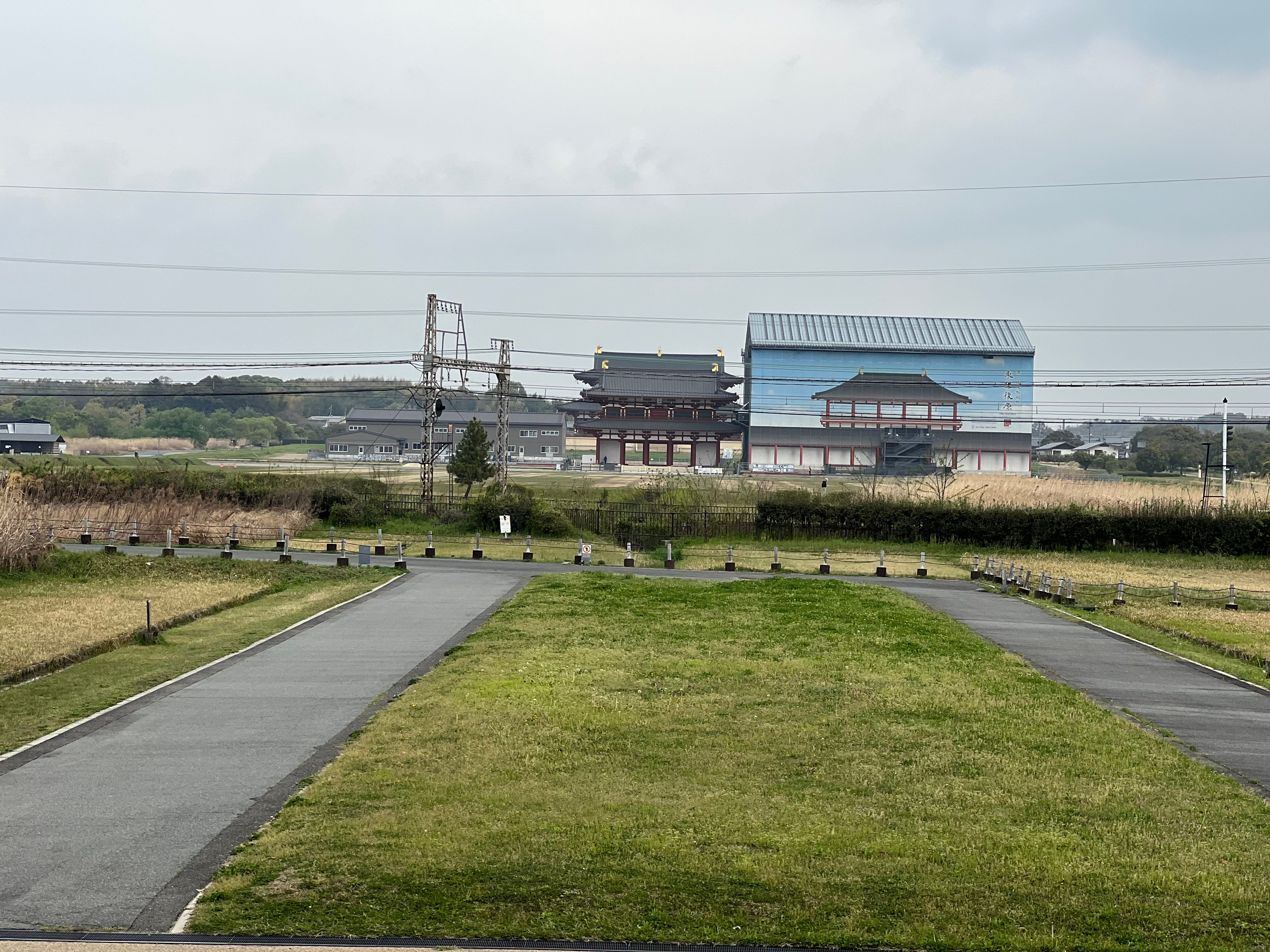
Heijokyo was built in 710 of the Nara period as Japan’s first full-scale capital city.
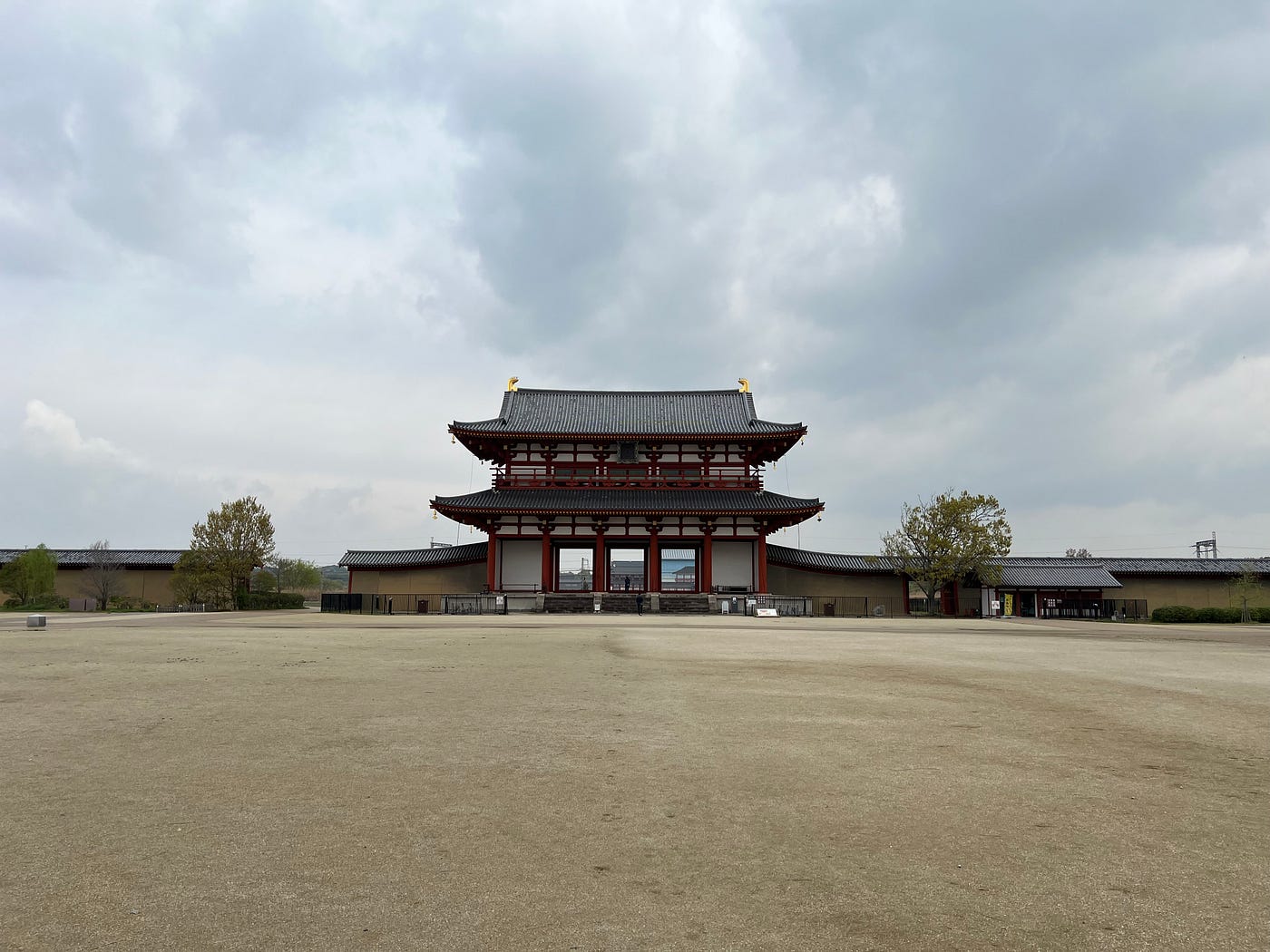

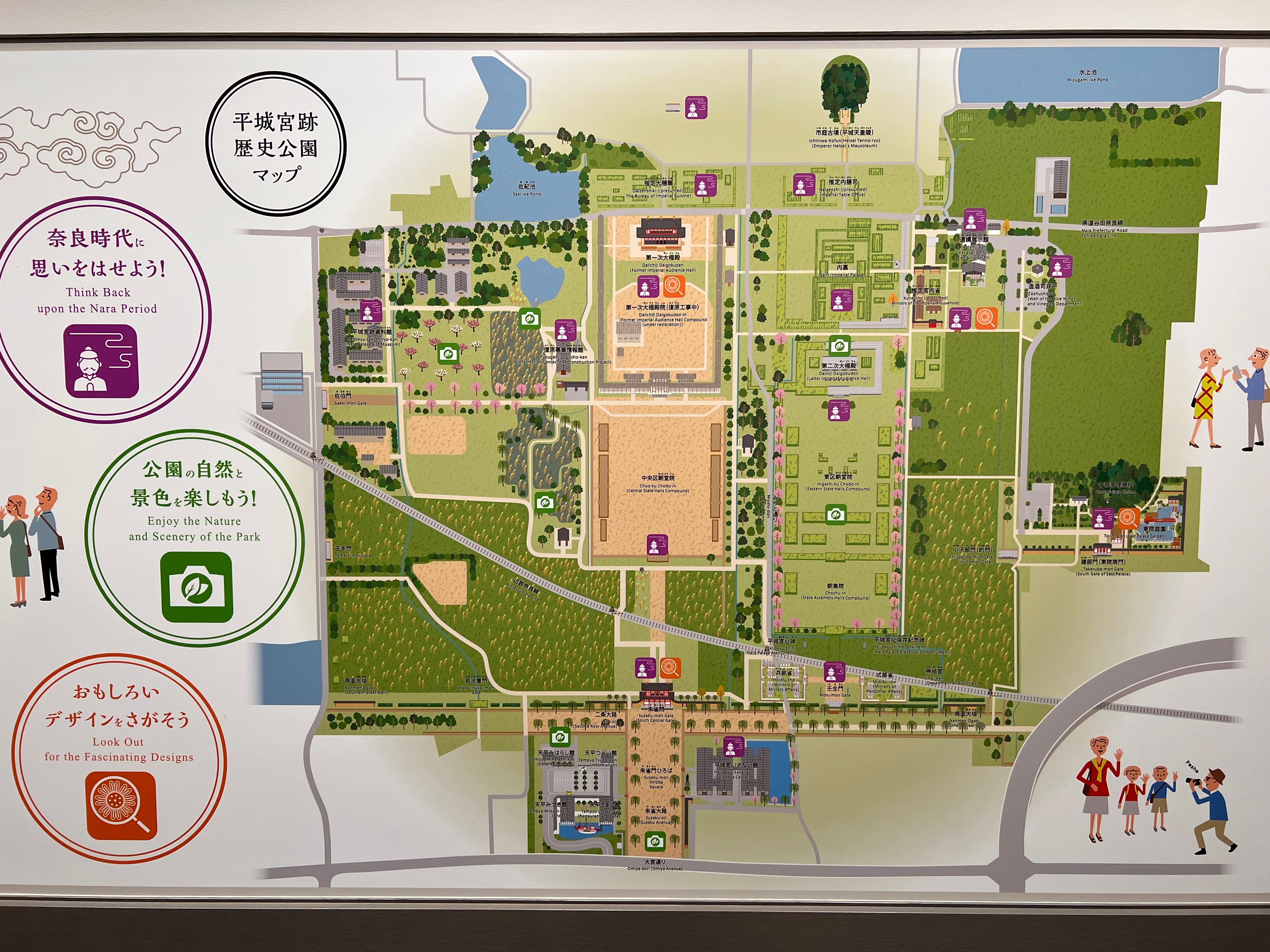
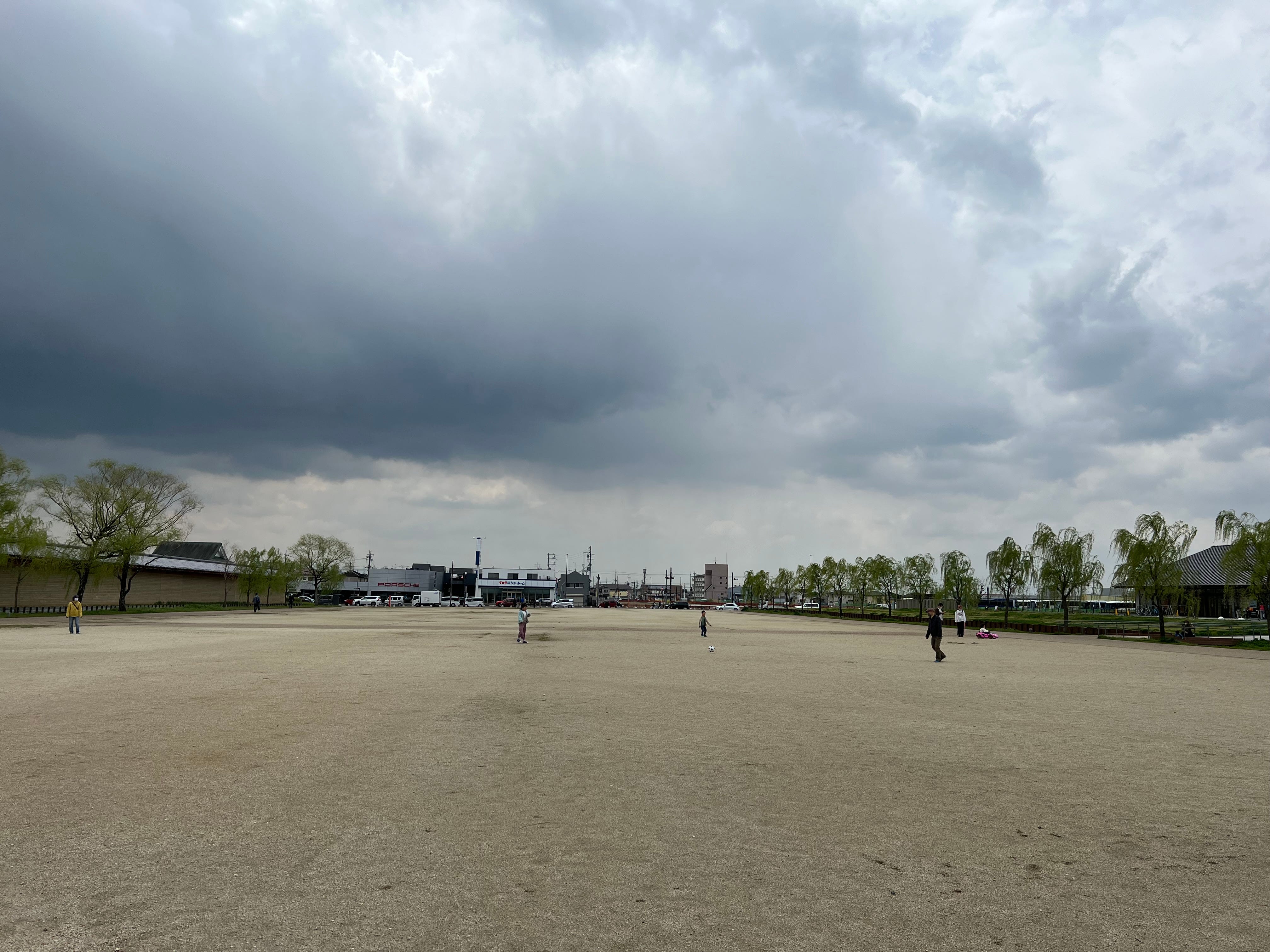
It has a vast metropolitan area of 4.5 km from east to west and 5.1 km from north to south, and a palace was built in the center. Government offices, temples, residences, etc., were arranged around the court, and the urban area was developed with radial streets.
The city plan of Heijo-kyo is said to have been built based on Chang’an, China’s capital city.
The palace in Heijokyo was called the Dairi and was used as the emperor’s residence. There are many buildings in the inner courtyard,
Among them were essential facilities such as “Okariya” and “Saimeiden.”
There are many temples in Heijokyo, including Todaiji Temple and Toshodaiji Temple, which are among the leading Buddhist temples in Japan. These temples contributed to the development of Japanese Buddhist culture, centered on Heijokyo.
Heijokyo has many cultural heritages.
For example, the Great Buddha of Todaiji Temple and the Golden Hall of Toshodaiji Temple are still designated as Japanese National Treasures and UNESCO World Heritage Sites.
It was the center of Japan’s politics and diplomacy during the Nara period. It prospered as a base for diplomacy and cultural exchange with China and Korea. Many foreign envoys visited Heijokyo, and it is said that Japanese culture and technology developed under the influence of different cultures.


コメントを残す