
Kyoto is known for its long history, beautiful temples, and rich cultural traditions, many of which are expressed not only in architecture but also in local folklore and sweets. One such tradition is the story behind “Child-Rearing Candy, a sweet that reflects deep cultural values of compassion, family bonds, and community care.
The story has been passed down through generations in the Higashiyama area, near Kiyomizu-dera Temple, one of Kyoto’s most prominent historical sites. Rather than focusing on the supernatural, this tale highlights the cultural belief in nurturing and remembrance, values that remain meaningful to residents and visitors alike.
Historical Background of Higashiyama
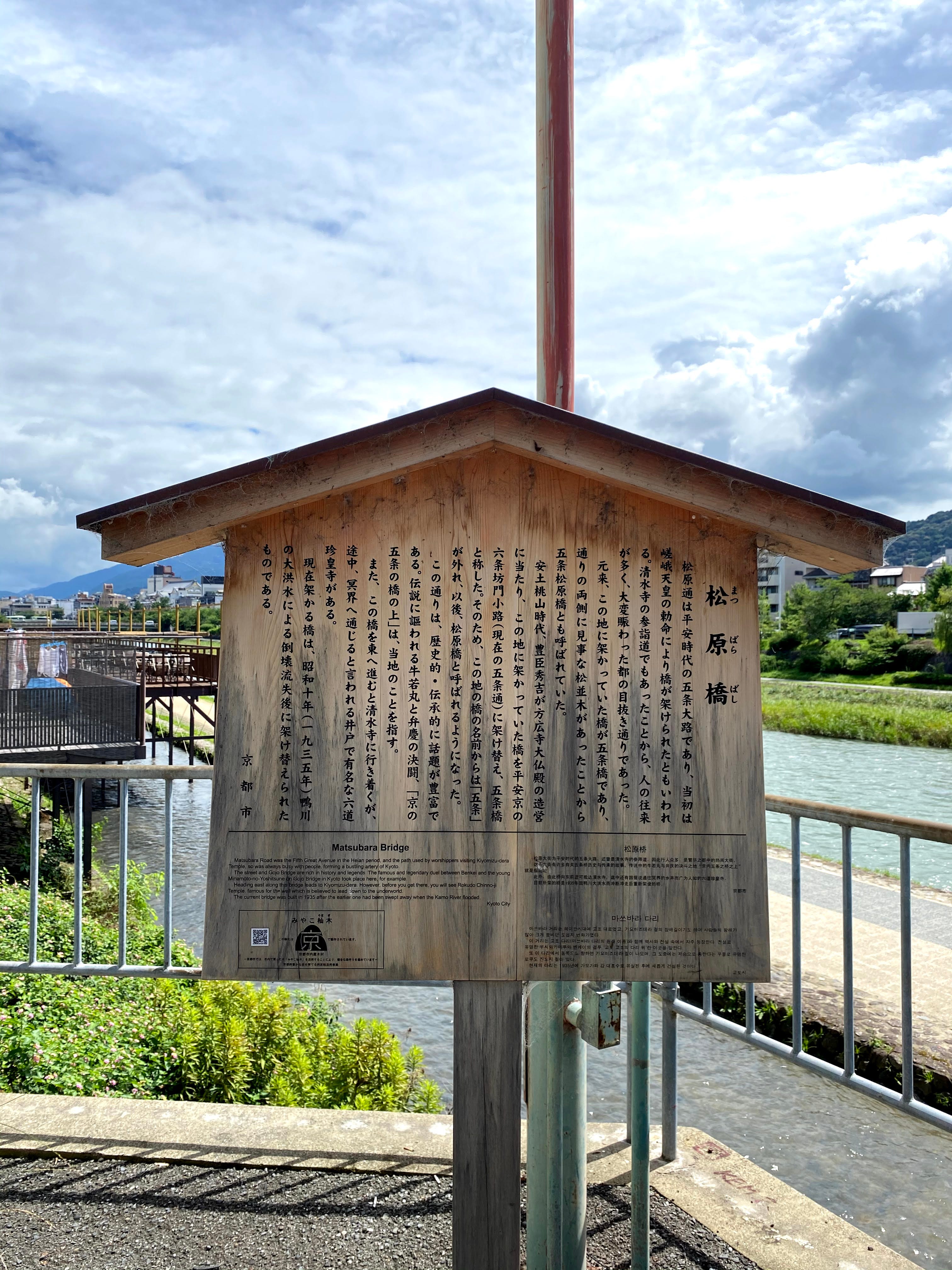
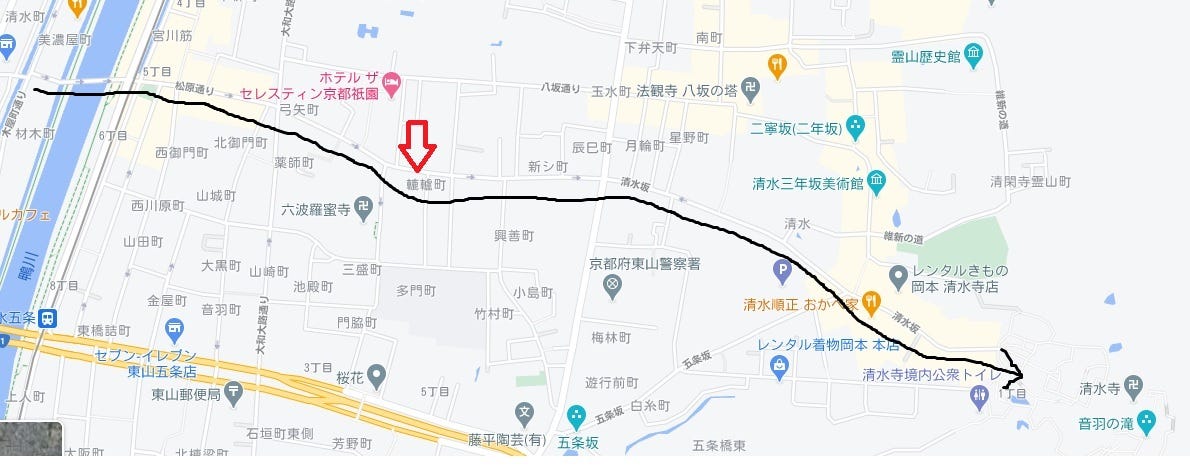
Higashiyama has been a central part of Kyoto’s urban fabric since ancient times. In olden days, the area was connected by important paths leading from the Kamogawa River toward sacred sites such as Kiyomizu-dera. Along these paths developed towns, resting places, and temples, many of which reflect spiritual beliefs linked to daily life, loss, and renewal.
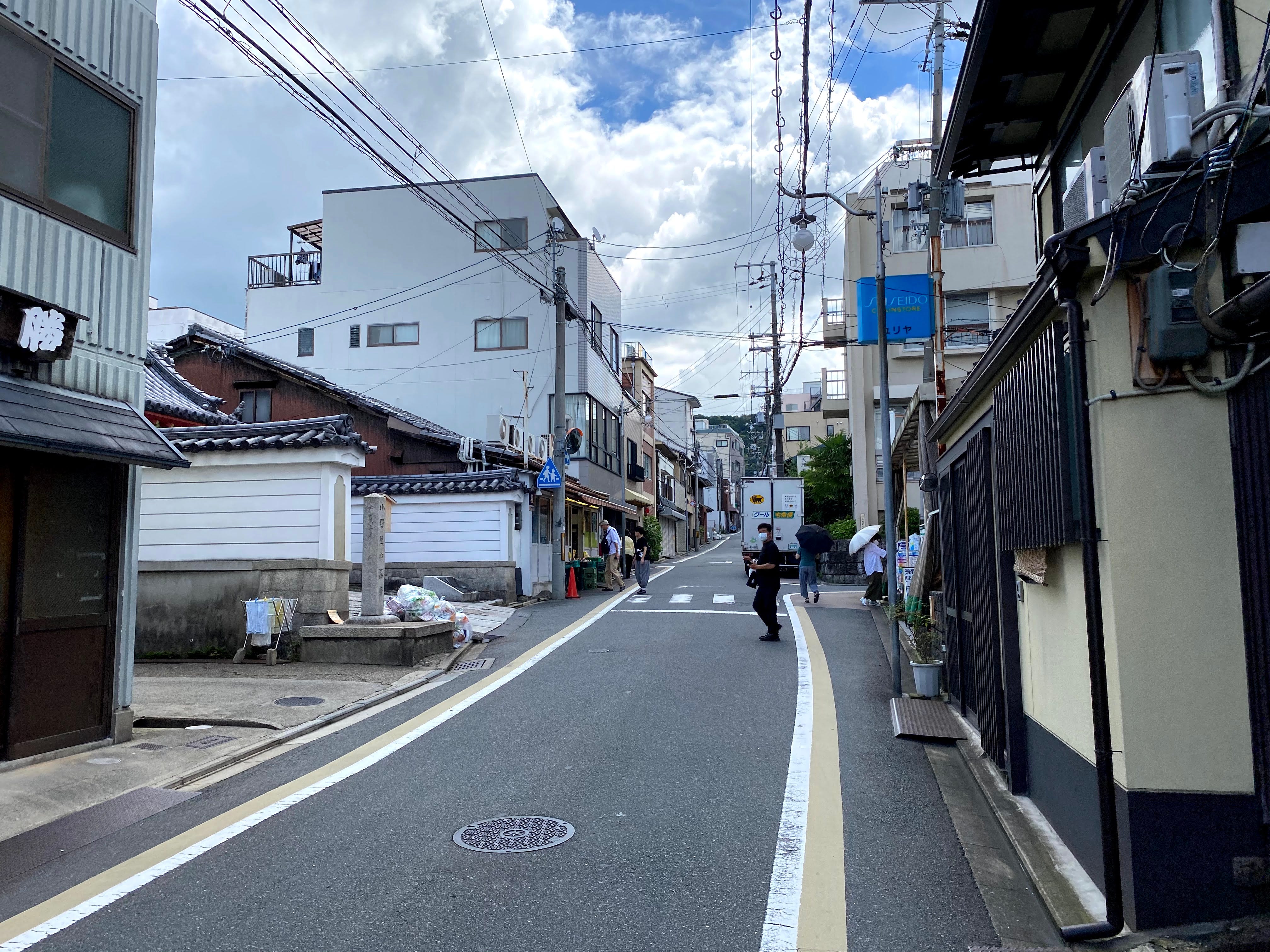
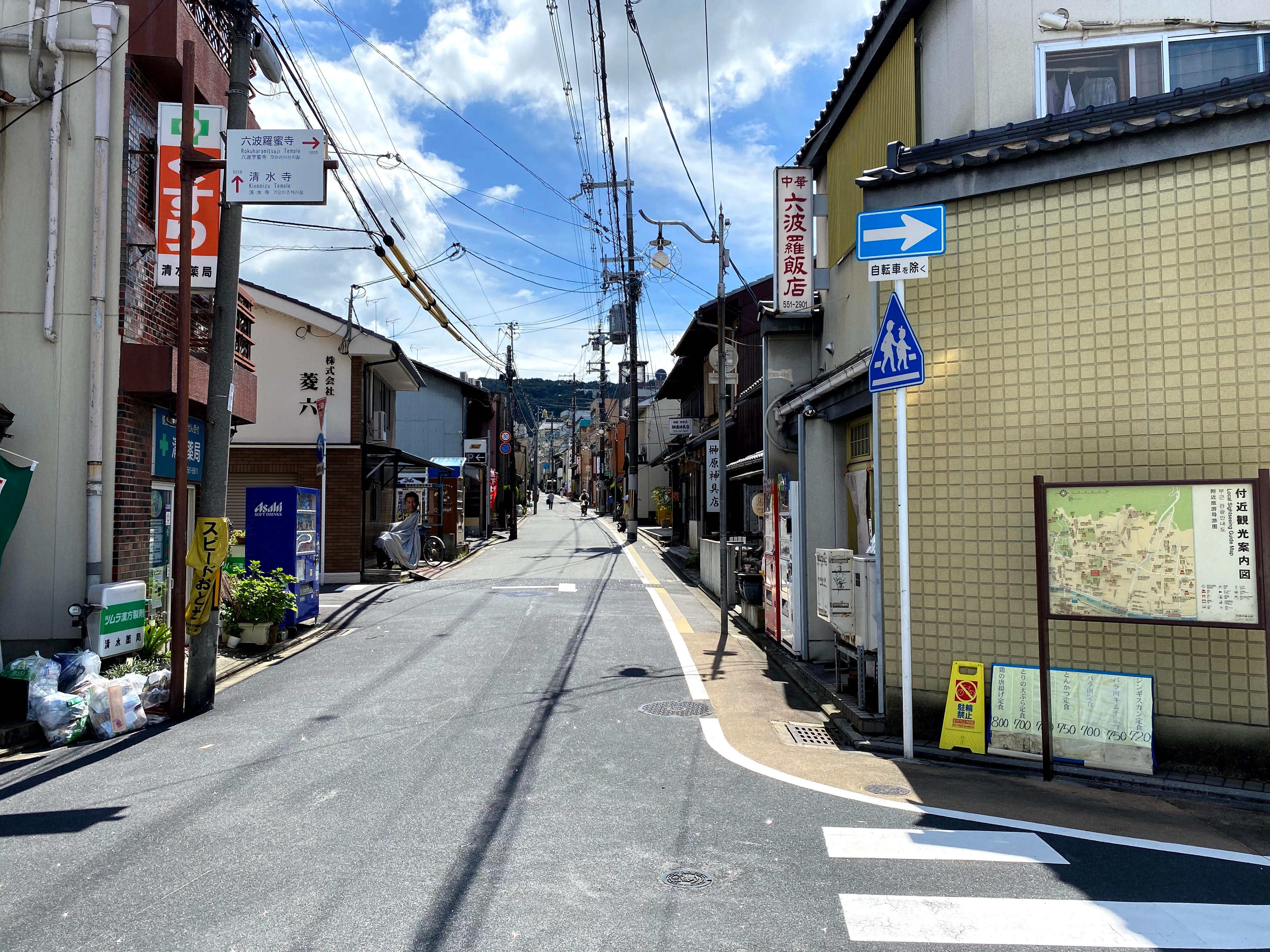
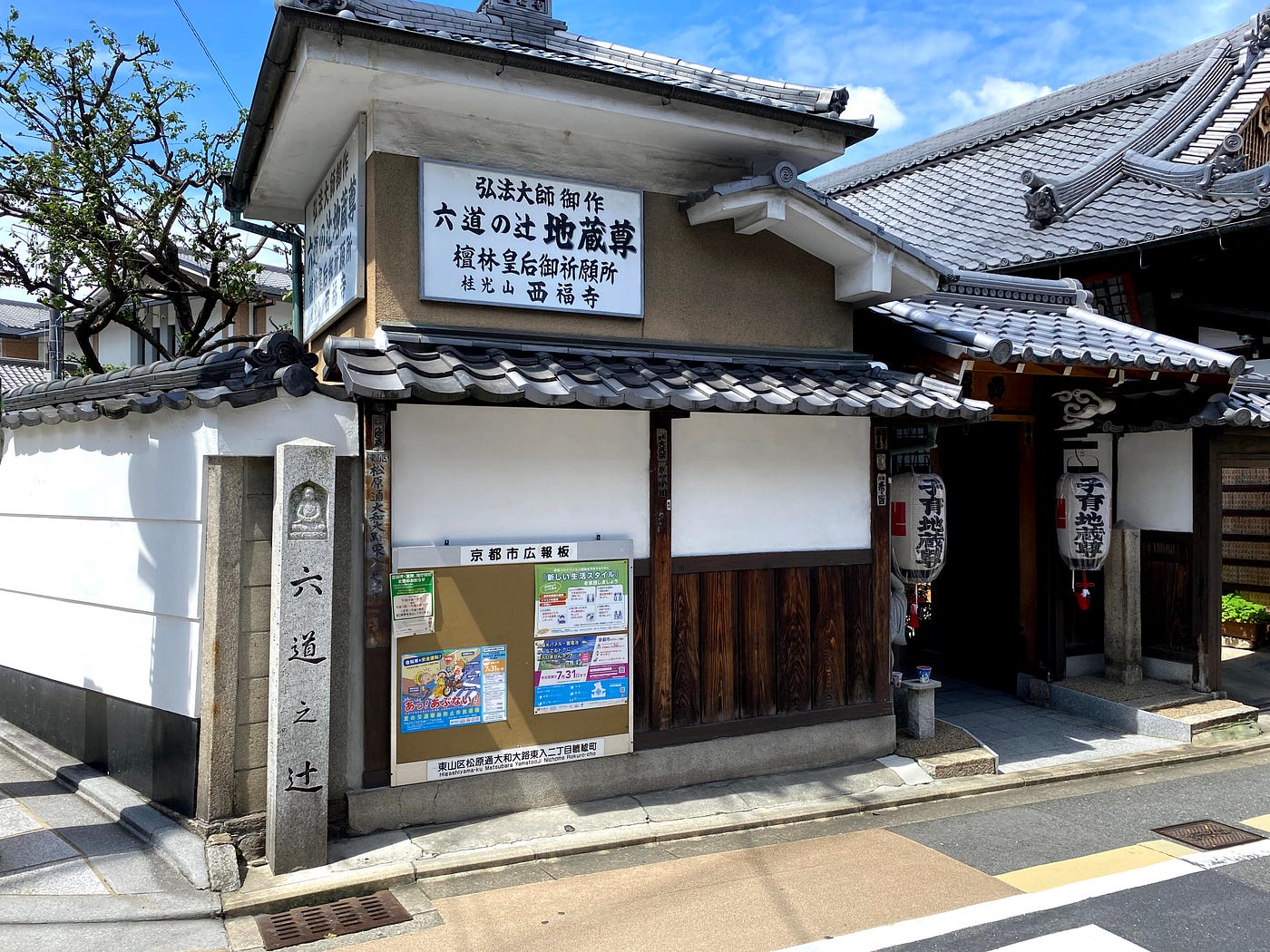
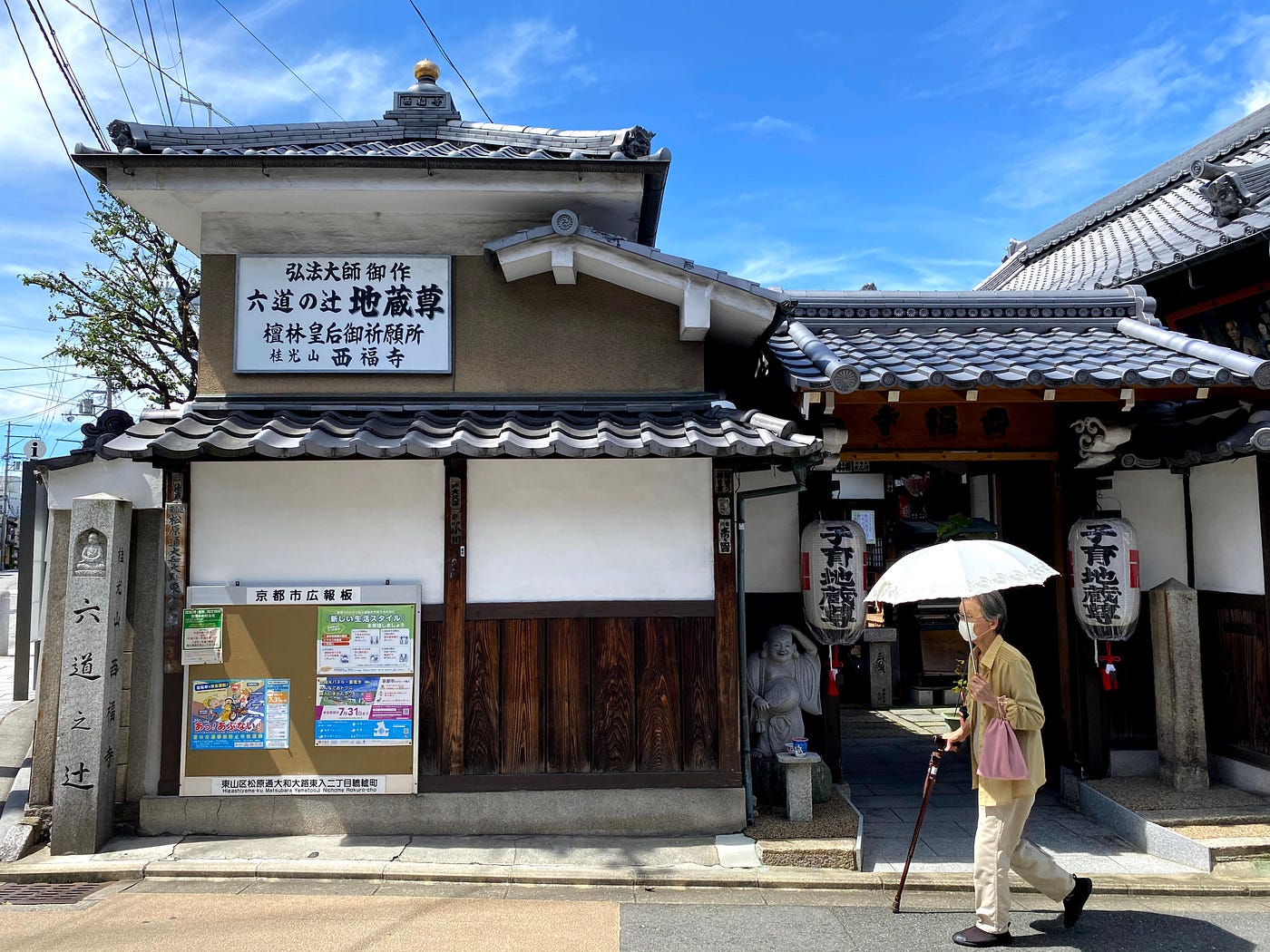
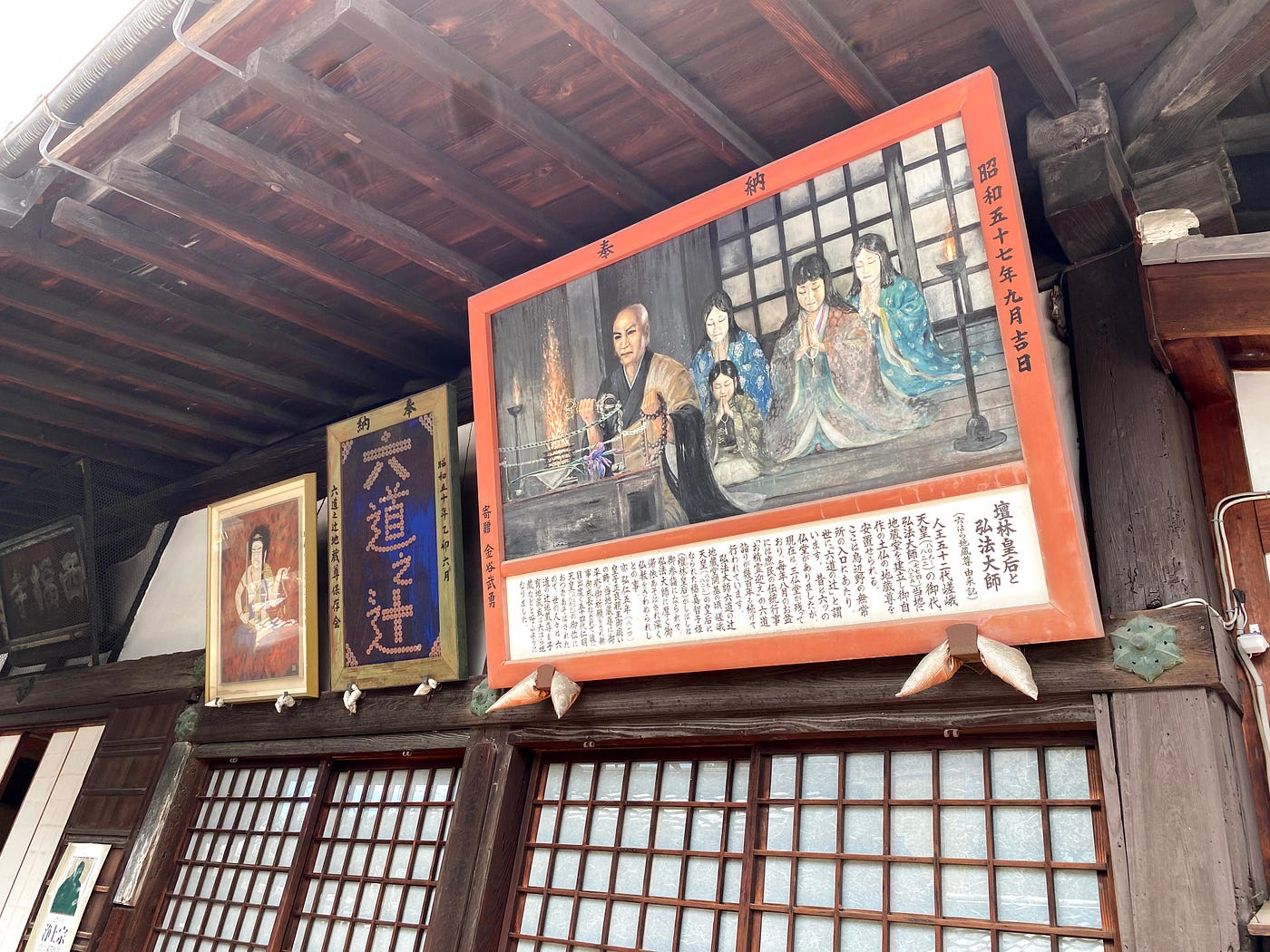
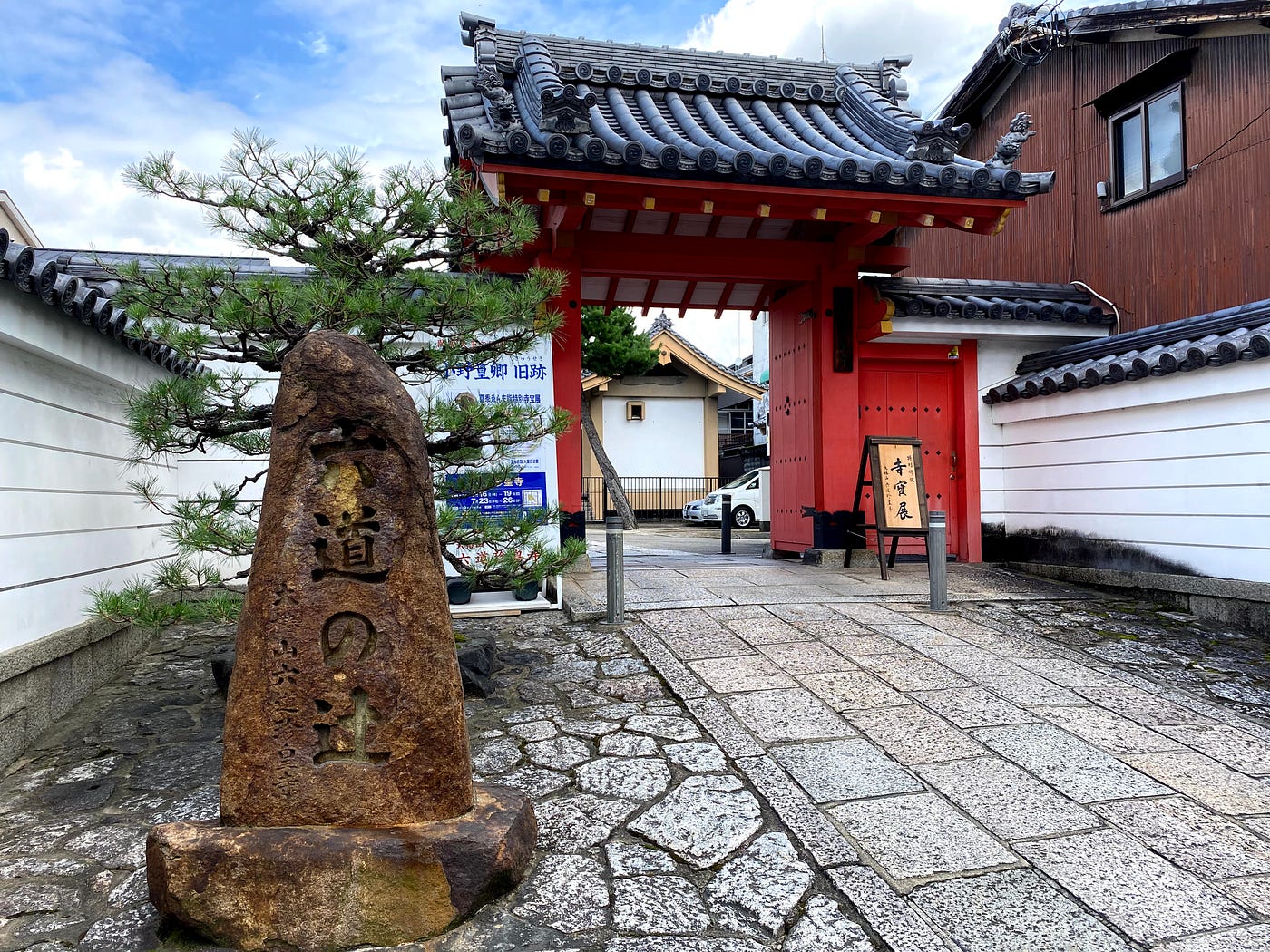
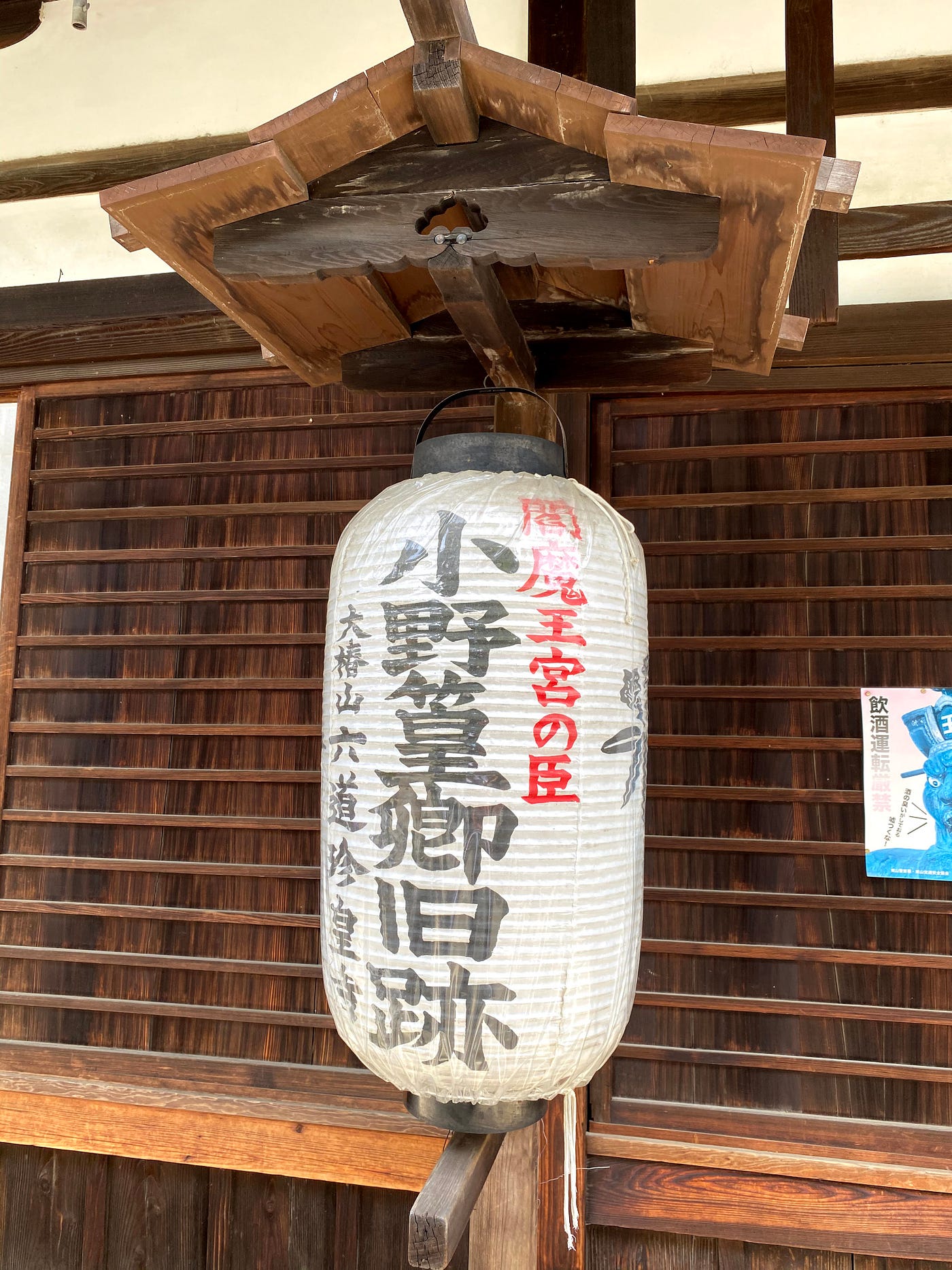
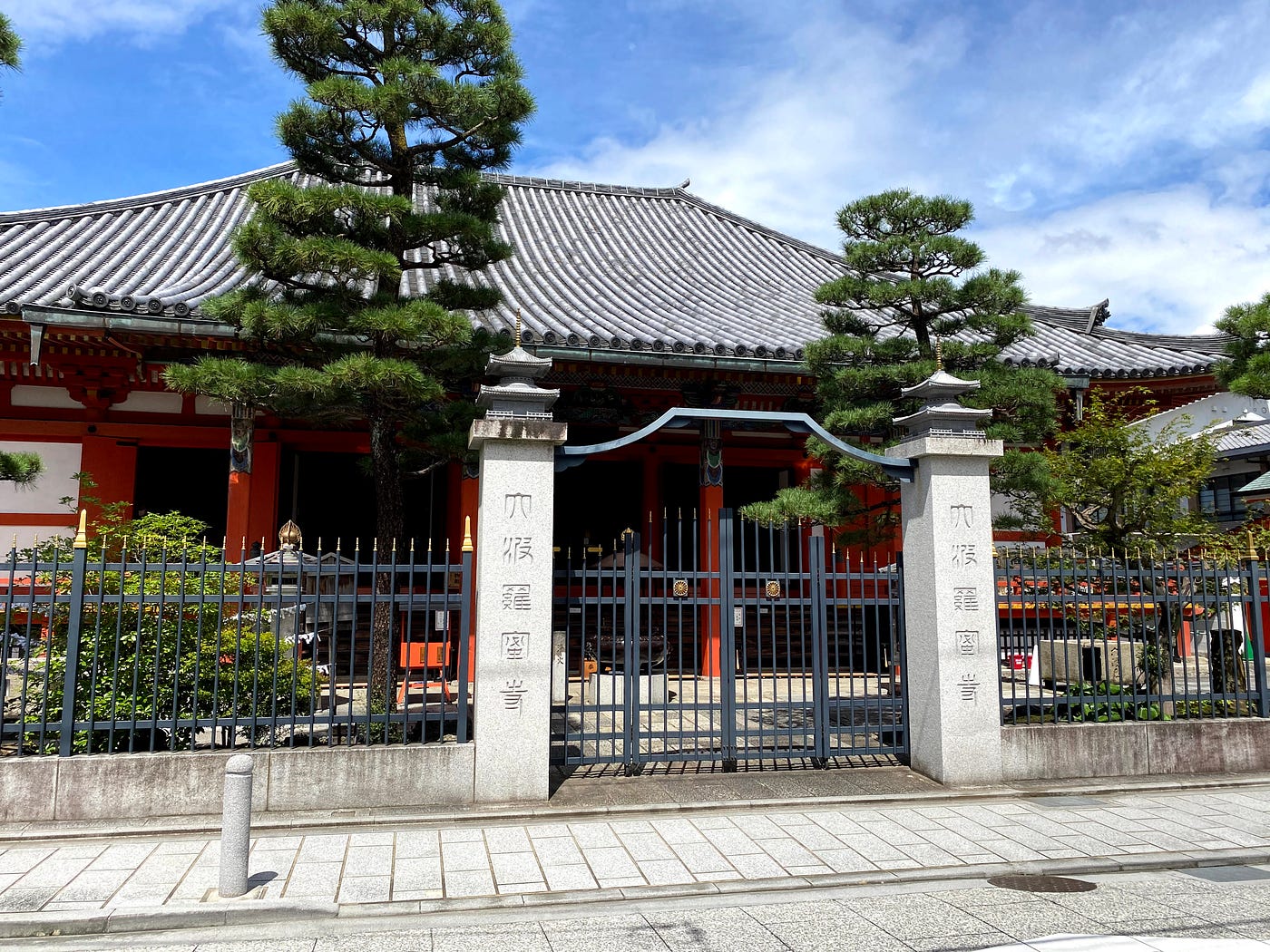
Among these, Rokudo-chinno-ji Temple and Rokuharamitsu-ji Temple are notable for their historical connection with traditional beliefs and ceremonies. These sites are often visited by travelers seeking cultural experiences beyond the main sightseeing routes.
The Story Behind Child-Rearing Candy
According to tradition, there was once a woman who visited a local candy shop in the neighborhood each evening, offering a coin to buy sweets. Over time, the shopkeeper noticed an unusual pattern: the coins she paid with would reappear each morning, replaced by offerings commonly used at graves.
Curious, the shopkeeper followed her one night and discovered that her path led toward a burial area south of the temple district. Though specific details vary among local tellings, the core of the story centers on maternal love and care.
From this tale, the community began producing a type of sweet called “Child-Rearing Candy,” honoring the idea of caring for the next generation with kindness and generosity.
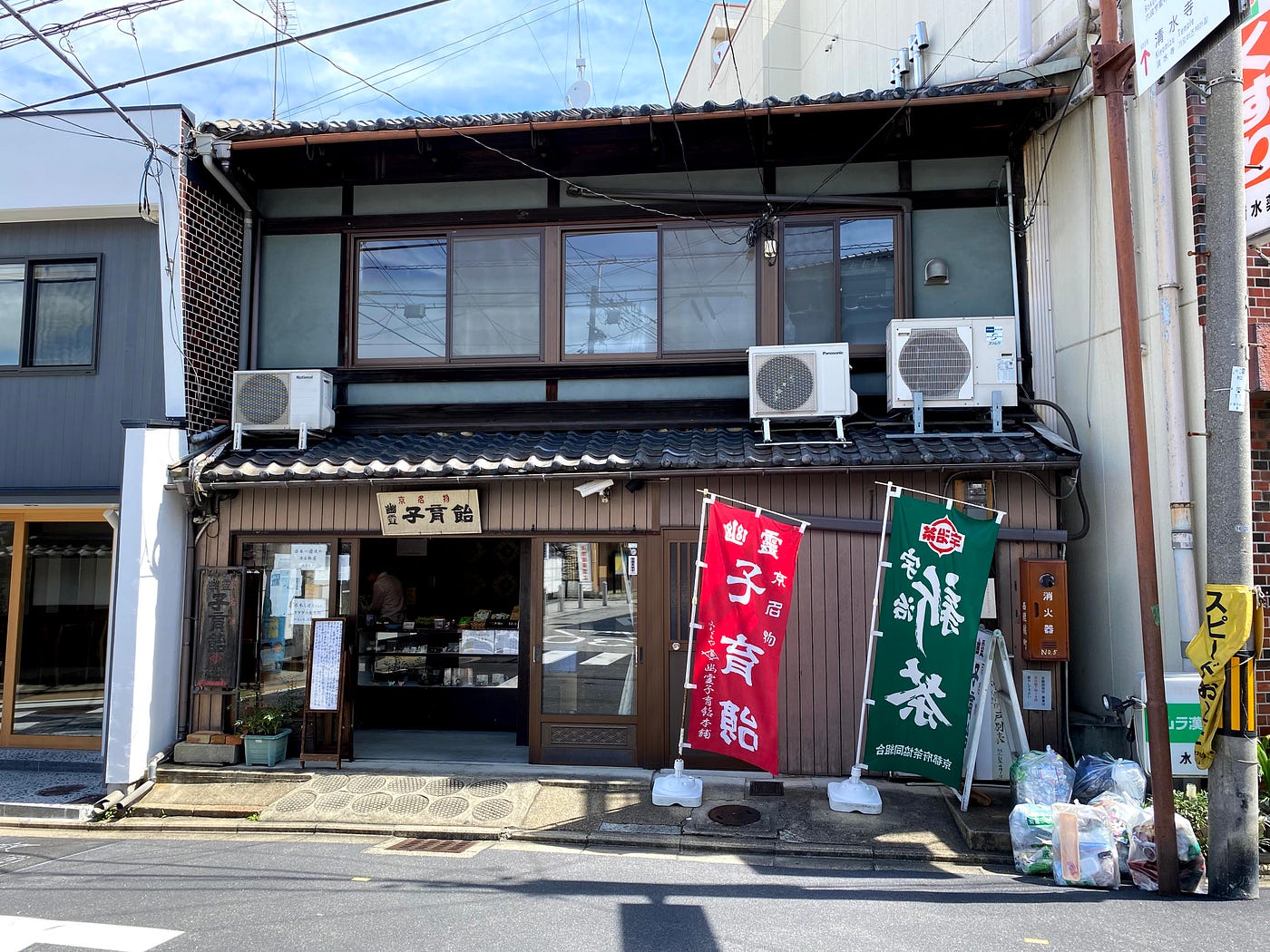
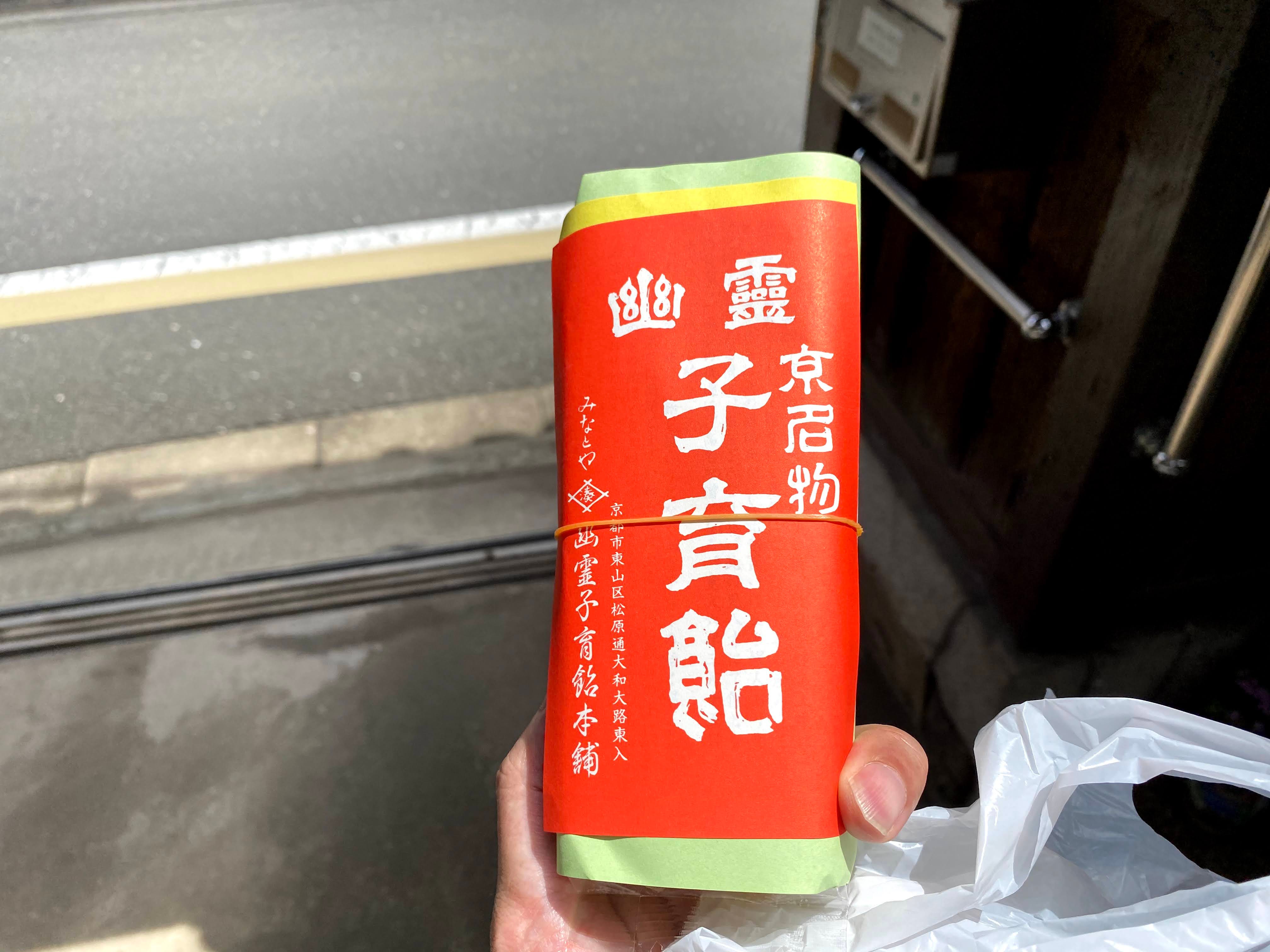
This tradition has endured for nearly 500 years, and examples of this sweet are still found in Kyoto today, such as at Minatoya and other traditional sweet shops.
What Is Child-Rearing Candy Like?
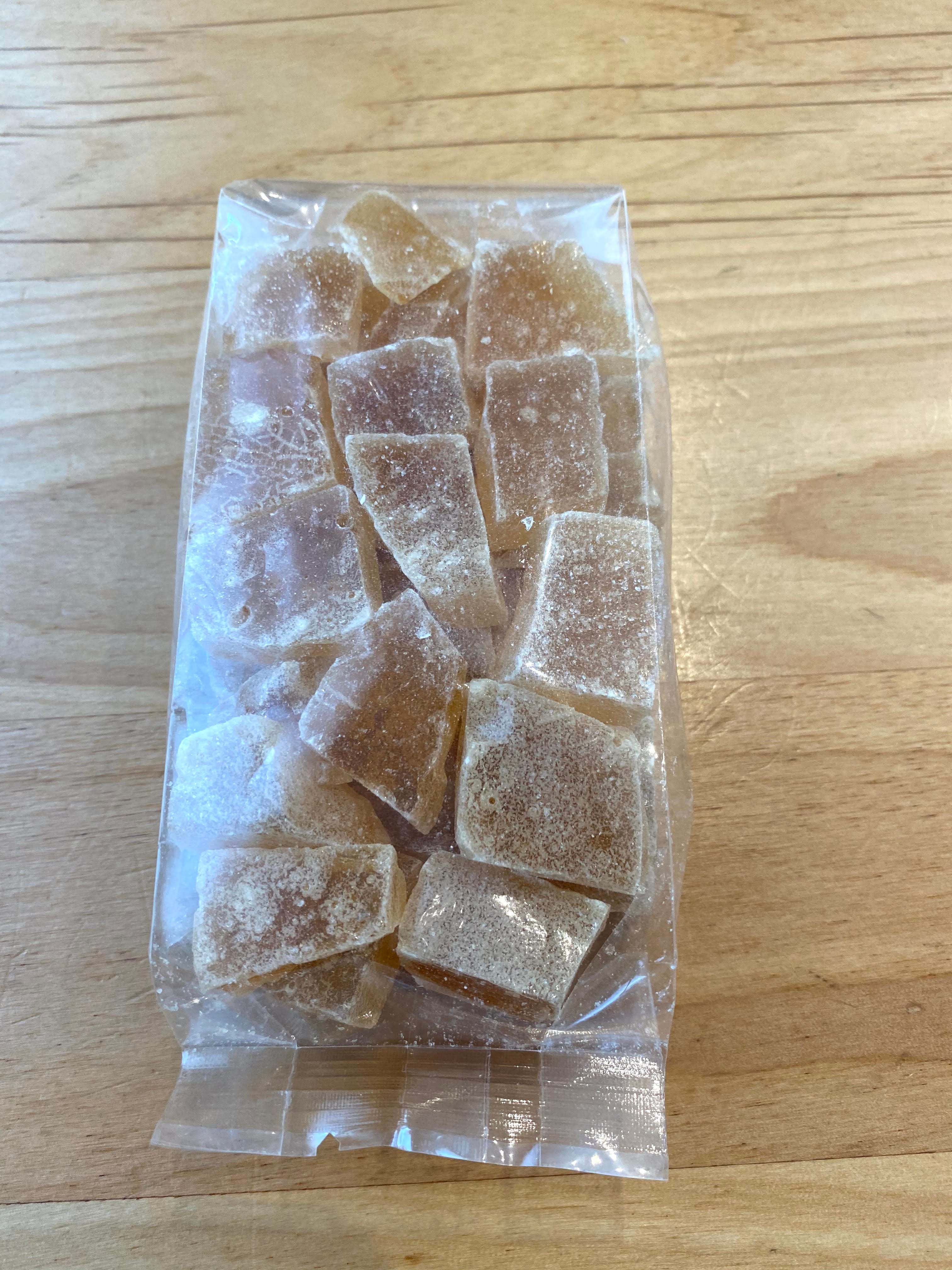
The candy itself is simple in appearance—brown in color, slightly coarse in texture, and relatively large in size. However, locals and visitors alike often describe its flavor as gentle, comforting, and satisfying, a taste that evokes warmth and nostalgia.
This sweet is not just a treat but also a reminder of long-held cultural values in Kyoto: community care, family affection, and emotional perseverance.
Where to Experience This in Kyoto
If you’re interested in exploring this story firsthand, the Higashiyama area provides an excellent cultural itinerary:
- Kiyomizu-dera Temple: A UNESCO World Heritage Site with panoramic views of Kyoto.
- Minatoya and Traditional Confectioneries: Find examples of local sweets that reflect centuries-old traditions.
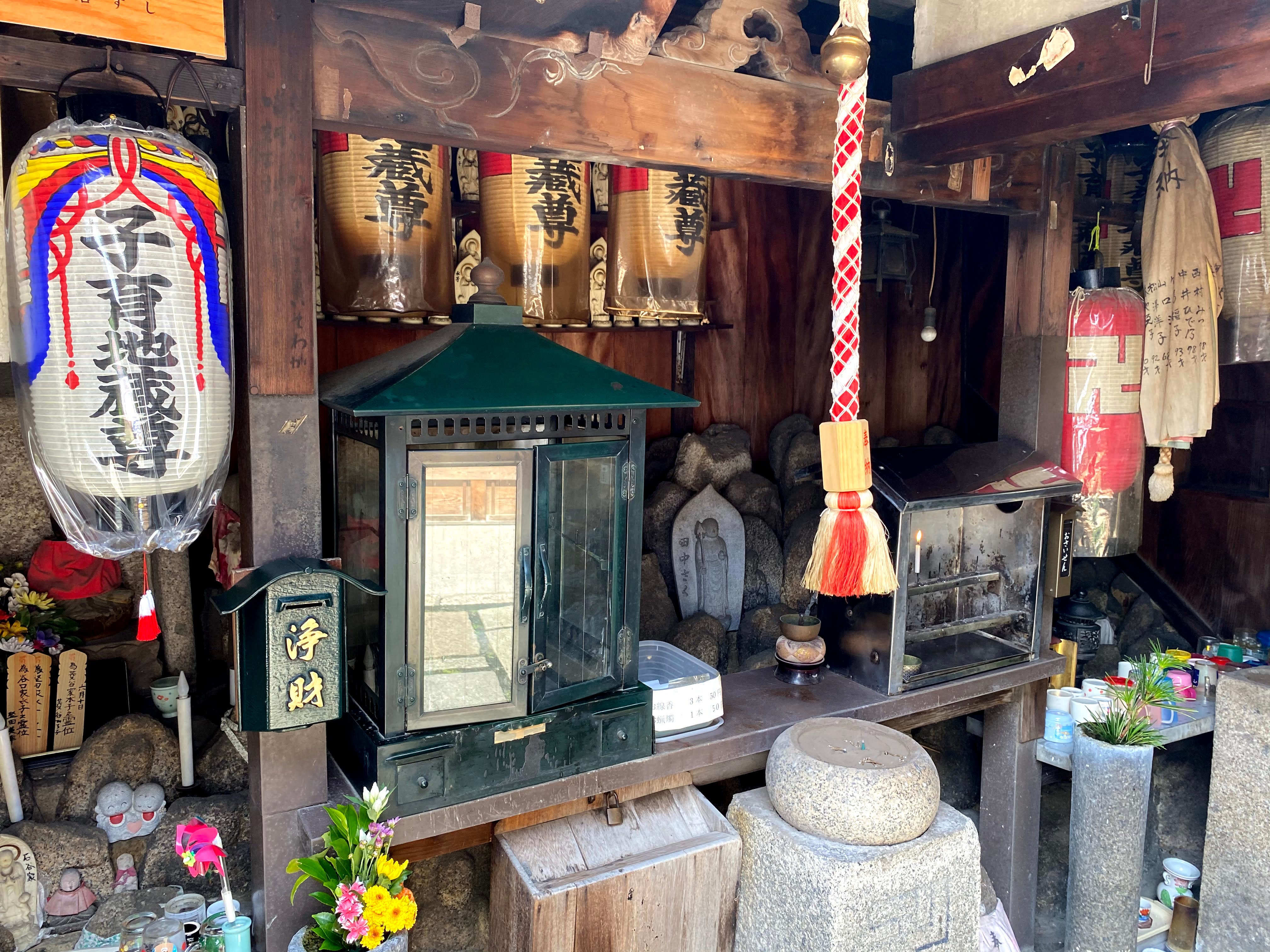
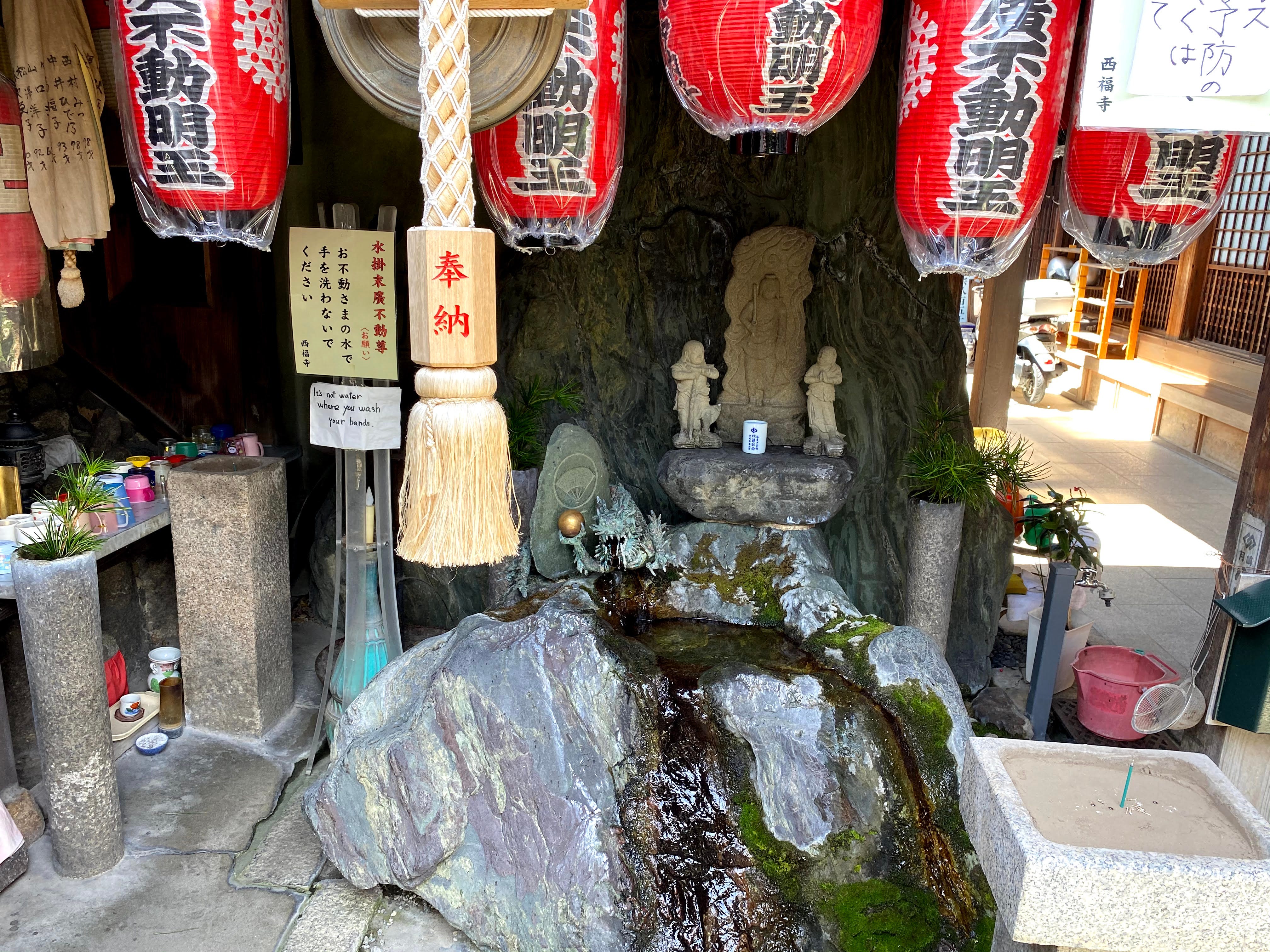
- Rokudo-chinno-ji Temple: A historically significant site often associated with seasonal festivals and local practices.
These sites offer a mixture of historical insight, cultural appreciation, and accessible walking routes, making them ideal stops for visitors interested in Kyoto’s intangible cultural heritage.
Why This Matters for Travelers
Rather than a ghost story, the tale of Child-Rearing Candy reveals a deeper cultural narrative connected to community empathy, the importance of family, and the role of local traditions in everyday life. It represents how folklore can shape local identity and enrich the travel experience beyond typical tourist highlights.
Including stories like this in your Kyoto visit can create a more meaningful and memorable journey, connecting you to the heart of the city’s people and history. this story can add depth and warmth to your journey through Kyoto.


コメントを残す